Self Model
S1 Self-worth & Confidence
H
You have a fairly stable sense of yourself and random strangers are not enough to scatter it.
Deep-thinking session: 100 seconds and counting.
Quick read
THIN-K brains are built differently. Your mind seems to run in continuous analysis mode. Information is not simply received; it is interrogated, cross-examined, and logged together with its logic chain, hidden bias profile, and background report on the author’s ideological ancestors. In an age of information overload, you are not easily carried away. You weigh costs and benefits in relationships, guard your mental space fiercely, and when other people think you are spacing out alone, what is actually happening is an internal filing operation of terrifying sophistication.
This type’s 15-dimension fingerprint
Self Model
S1 Self-worth & Confidence
You have a fairly stable sense of yourself and random strangers are not enough to scatter it.
Self Model
S2 Self-clarity
You know your temper, your wants, and your bottom lines pretty well.
Self Model
S3 Core Values
Comfort and safety matter more. Life does not need to run in sprint mode every day.
Emotion Model
E1 Attachment Security
You are more willing to trust the relationship itself and less likely to panic over every tiny disturbance.
Emotion Model
E2 Emotional Investment
You do invest, just with a backup plan. Not a full all-in.
Emotion Model
E3 Boundaries & Dependence
Space matters. No matter how much you care, you still need a zone that stays yours.
Attitude Model
A1 Worldview Bias
You are neither naive nor fully conspiratorial. Watching from a distance is your default.
Attitude Model
A2 Rules & Flexibility
If a rule can be bent, you will consider it. Comfort and freedom often rank first.
Attitude Model
A3 Sense of Meaning
You move with more direction and usually know roughly where you are trying to go.
Action Model
Ac1 Motivational Direction
Sometimes you want to win, sometimes you just want less hassle. Motivation is mixed.
Action Model
Ac2 Decision Style
You decide fast and dislike revisiting the same choice over and over.
Action Model
Ac3 Execution Pattern
You can do it, but timing matters. Sometimes steady, sometimes floppy.
Social Model
So1 Social Initiative
Your social engine warms up slowly. Initiating contact usually takes effort to gather.
Social Model
So2 Interpersonal Boundaries
Your boundaries run strong. If someone gets too close, your body instinctively steps back first.
Social Model
So3 Expression & Authenticity
You switch versions of yourself smoothly across contexts, and your 'realness' gets distributed in layers.
Core traits
Attitude Model
If a rule can be bent, you will consider it. Comfort and freedom often rank first.
Attitude Model
You move with more direction and usually know roughly where you are trying to go.
Action Model
You decide fast and dislike revisiting the same choice over and over.
This type’s 15-dimension fingerprint
Self Model
S1 Self-worth & Confidence
You have a fairly stable sense of yourself and random strangers are not enough to scatter it.
Self Model
S2 Self-clarity
You know your temper, your wants, and your bottom lines pretty well.
Self Model
S3 Core Values
Comfort and safety matter more. Life does not need to run in sprint mode every day.
Emotion Model
E1 Attachment Security
You are more willing to trust the relationship itself and less likely to panic over every tiny disturbance.
Emotion Model
E2 Emotional Investment
You do invest, just with a backup plan. Not a full all-in.
Emotion Model
E3 Boundaries & Dependence
Space matters. No matter how much you care, you still need a zone that stays yours.
Attitude Model
A1 Worldview Bias
You are neither naive nor fully conspiratorial. Watching from a distance is your default.
Attitude Model
A2 Rules & Flexibility
If a rule can be bent, you will consider it. Comfort and freedom often rank first.
Attitude Model
A3 Sense of Meaning
You move with more direction and usually know roughly where you are trying to go.
Action Model
Ac1 Motivational Direction
Sometimes you want to win, sometimes you just want less hassle. Motivation is mixed.
Action Model
Ac2 Decision Style
You decide fast and dislike revisiting the same choice over and over.
Action Model
Ac3 Execution Pattern
You can do it, but timing matters. Sometimes steady, sometimes floppy.
Social Model
So1 Social Initiative
Your social engine warms up slowly. Initiating contact usually takes effort to gather.
Social Model
So2 Interpersonal Boundaries
Your boundaries run strong. If someone gets too close, your body instinctively steps back first.
Social Model
So3 Expression & Authenticity
You switch versions of yourself smoothly across contexts, and your 'realness' gets distributed in layers.
Core traits
Attitude Model
If a rule can be bent, you will consider it. Comfort and freedom often rank first.
Attitude Model
You move with more direction and usually know roughly where you are trying to go.
Action Model
You decide fast and dislike revisiting the same choice over and over.
Similar Types
This is the better version of 'keep browsing': not random extra pages, but types that usually overlap in mood, coping style, or overall energy with the one you just opened.
SBTI × MBTI
A lot of people arrive here from MBTI first, so this section works as a bridge rather than a conversion chart.
If you think in MBTI first, THIN-K usually feels closest to INTP or INTJ. The interesting part is not the label match itself, but where SBTI and MBTI start explaining the same behavior with different internal logic.
FAQ
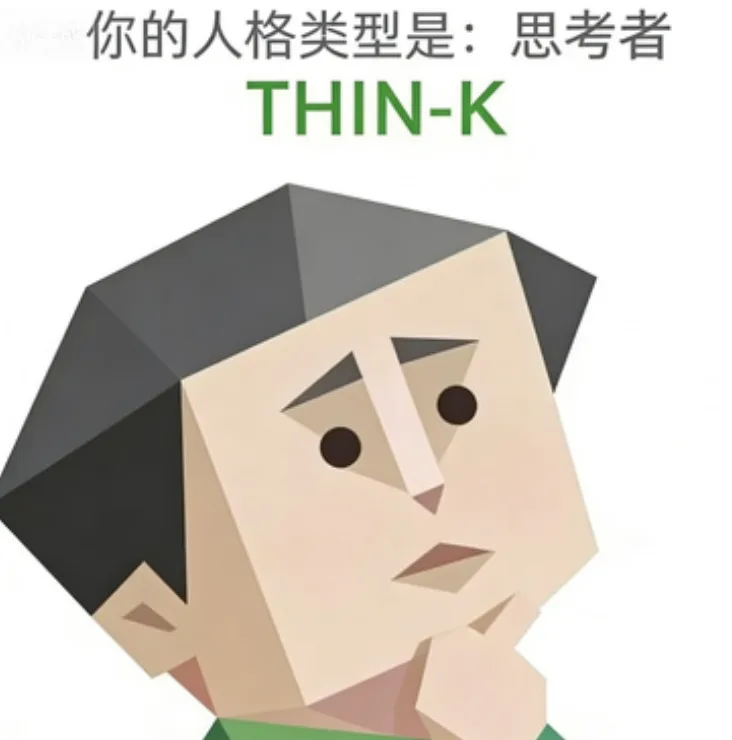
Deep-thinking session: 100 seconds and counting. THIN-K brains are built differently. Your mind seems to run in continuous analysis mode. Information is not simply received; it is interrogated, cross-examined, and logged together with its logic chain, hidden bias profile, and background report on the author’s ideological ancestors. In an age of information overload, you are not easily carried away. You weigh costs and benefits in relationships, guard your mental space fiercely, and when other people think you are spacing out alone, what is actually happening is an internal filing operation of terrifying sophistication.
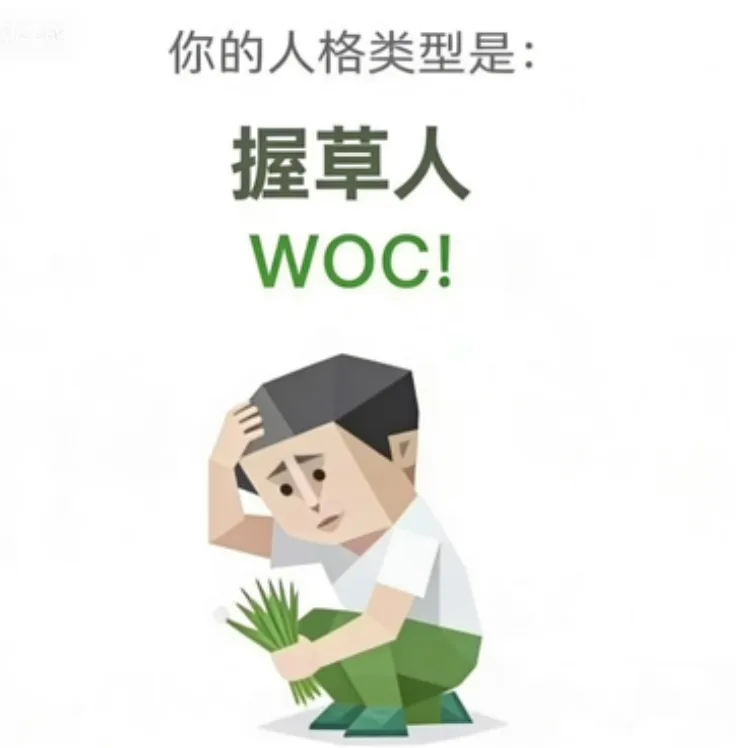
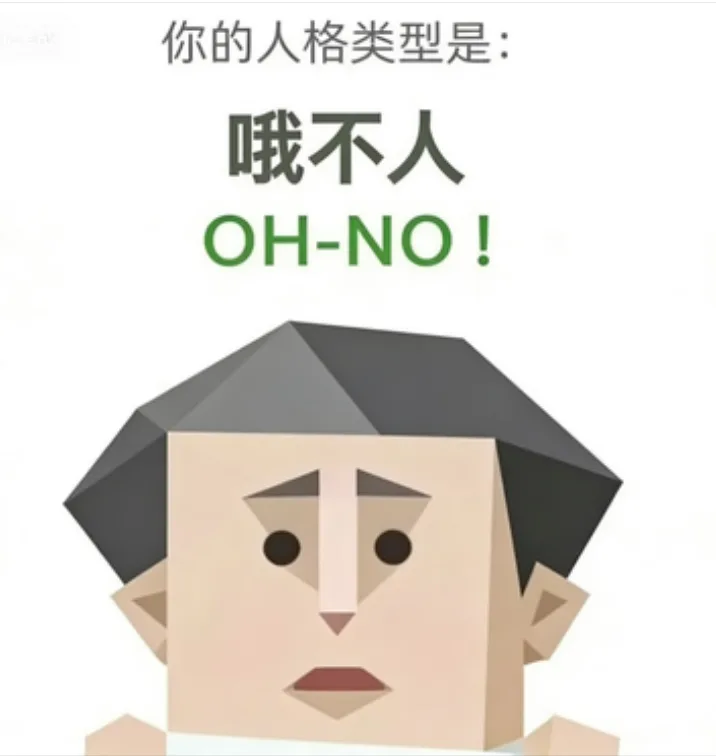
If this result feels close, the most useful nearby pages to compare next are WOC! (The Whoa Person), SHIT (The Malcontent), OH-NO (The Alarmist). They tend to sit nearest in mood, coping style, or overall behavioral energy.
THIN-K usually gets bridged to INTP / INTJ inside an MBTI context. This is not a one-to-one conversion, but a reading aid for understanding where the overlap starts and where the two systems split.
Share Card
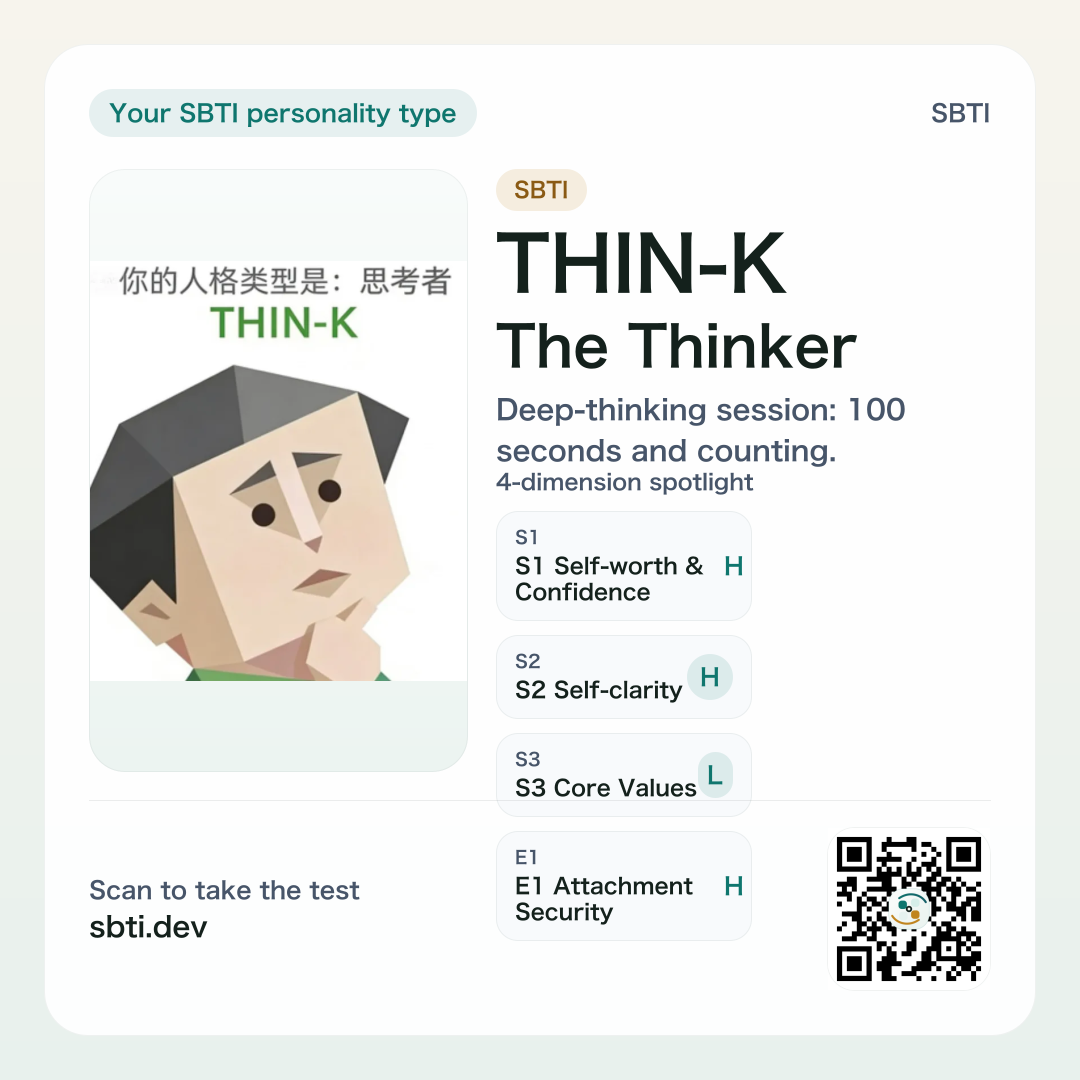
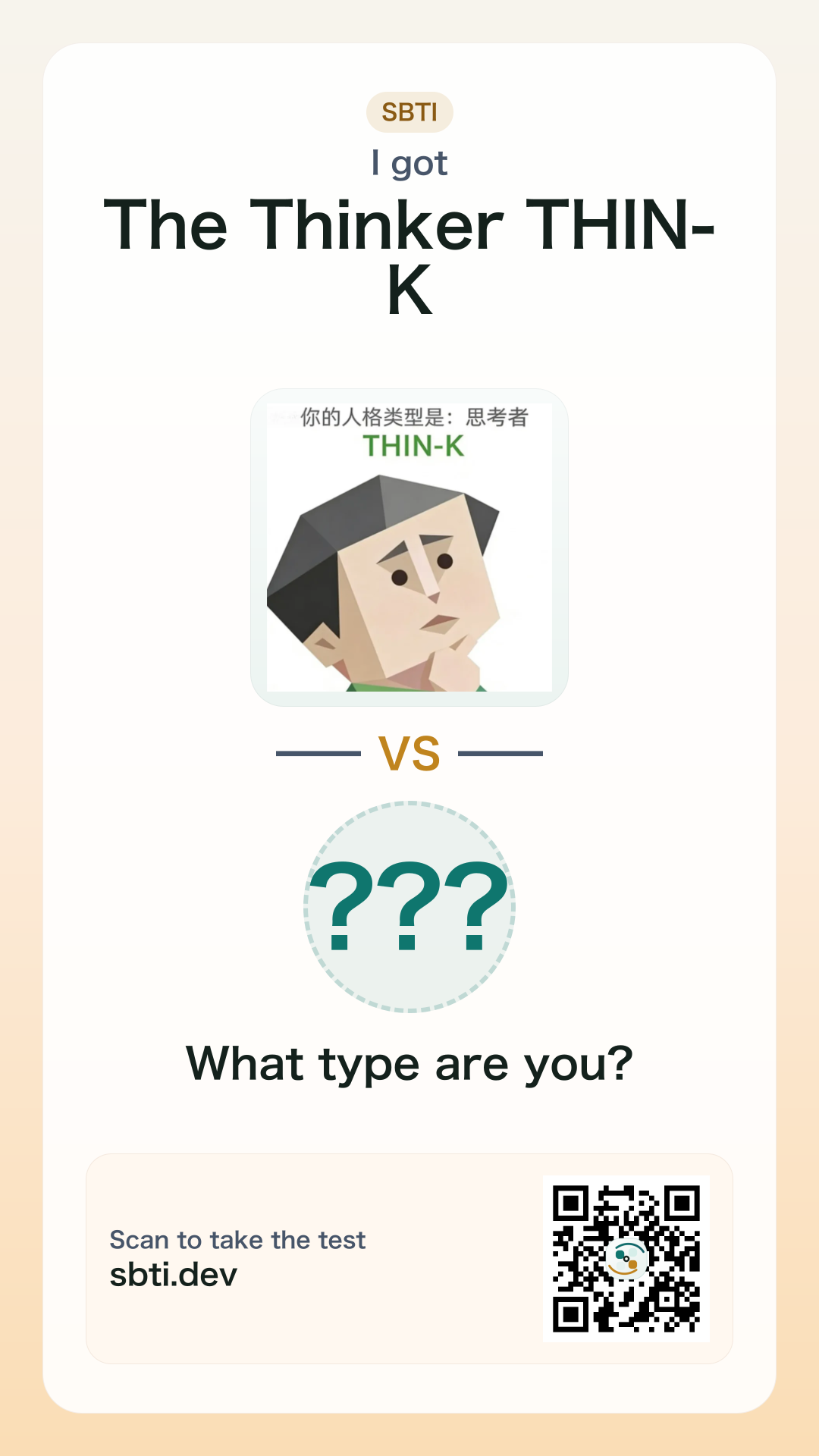
This square card is designed for chat screenshots, group drops, and fast social sharing. It grabs attention faster than a naked link.
Long-press the preview on mobile, or use the save button below.
Challenge Friends
You got THIN-K (The Thinker). Now drag a friend in, let them test, and compare who turned out more unhinged.
The poster already includes a QR code, so it works well in stories and group chats.
0 people have already sent this challenge to a friend
SBTI rankings
The leaderboard only counts results that users manually confirm and submit from the result page. It does not auto-record every visitor.