Self Model
S1 Self-worth & Confidence
H
You have a fairly stable sense of yourself and random strangers are not enough to scatter it.

Oh no. Why did I get this one?!
Quick read
To the OH-NO personality, 'oh no' is not panic. It is advanced cognition. When ordinary people see a glass near the edge of a table, OH-NO sees the full cinematic franchise: spilled water, short circuit, fire, building evacuation, financial loss, butterfly effect, apocalypse. Then, with a single sacred 'oh no,' they move the glass to the center of the table and place a coaster under it for good measure. They respect boundaries and risk with almost religious intensity. They are the straight-backed guardians of order in a world that keeps trying to slip on its own banana peel.
This type’s 15-dimension fingerprint
Self Model
S1 Self-worth & Confidence
You have a fairly stable sense of yourself and random strangers are not enough to scatter it.
Self Model
S2 Self-clarity
You know your temper, your wants, and your bottom lines pretty well.
Self Model
S3 Core Values
Comfort and safety matter more. Life does not need to run in sprint mode every day.
Emotion Model
E1 Attachment Security
Your relationship alarm system is highly sensitive. Even being left on read can spin into a full disaster movie.
Emotion Model
E2 Emotional Investment
You do invest, just with a backup plan. Not a full all-in.
Emotion Model
E3 Boundaries & Dependence
Space matters. No matter how much you care, you still need a zone that stays yours.
Attitude Model
A1 Worldview Bias
You view the world through a defensive filter: suspicion first, closeness second.
Attitude Model
A2 Rules & Flexibility
Your sense of order is strong. If there is a proper process, you would rather not freestyle chaos.
Attitude Model
A3 Sense of Meaning
You move with more direction and usually know roughly where you are trying to go.
Action Model
Ac1 Motivational Direction
Results, growth, and momentum light you up more easily.
Action Model
Ac2 Decision Style
You decide fast and dislike revisiting the same choice over and over.
Action Model
Ac3 Execution Pattern
You can do it, but timing matters. Sometimes steady, sometimes floppy.
Social Model
So1 Social Initiative
Your social engine warms up slowly. Initiating contact usually takes effort to gather.
Social Model
So2 Interpersonal Boundaries
Your boundaries run strong. If someone gets too close, your body instinctively steps back first.
Social Model
So3 Expression & Authenticity
Your expression is direct. If it is in your heart, you usually do not enjoy wrapping it in loops.
Core traits
Attitude Model
You view the world through a defensive filter: suspicion first, closeness second.
Attitude Model
Your sense of order is strong. If there is a proper process, you would rather not freestyle chaos.
Attitude Model
You move with more direction and usually know roughly where you are trying to go.
This type’s 15-dimension fingerprint
Self Model
S1 Self-worth & Confidence
You have a fairly stable sense of yourself and random strangers are not enough to scatter it.
Self Model
S2 Self-clarity
You know your temper, your wants, and your bottom lines pretty well.
Self Model
S3 Core Values
Comfort and safety matter more. Life does not need to run in sprint mode every day.
Emotion Model
E1 Attachment Security
Your relationship alarm system is highly sensitive. Even being left on read can spin into a full disaster movie.
Emotion Model
E2 Emotional Investment
You do invest, just with a backup plan. Not a full all-in.
Emotion Model
E3 Boundaries & Dependence
Space matters. No matter how much you care, you still need a zone that stays yours.
Attitude Model
A1 Worldview Bias
You view the world through a defensive filter: suspicion first, closeness second.
Attitude Model
A2 Rules & Flexibility
Your sense of order is strong. If there is a proper process, you would rather not freestyle chaos.
Attitude Model
A3 Sense of Meaning
You move with more direction and usually know roughly where you are trying to go.
Action Model
Ac1 Motivational Direction
Results, growth, and momentum light you up more easily.
Action Model
Ac2 Decision Style
You decide fast and dislike revisiting the same choice over and over.
Action Model
Ac3 Execution Pattern
You can do it, but timing matters. Sometimes steady, sometimes floppy.
Social Model
So1 Social Initiative
Your social engine warms up slowly. Initiating contact usually takes effort to gather.
Social Model
So2 Interpersonal Boundaries
Your boundaries run strong. If someone gets too close, your body instinctively steps back first.
Social Model
So3 Expression & Authenticity
Your expression is direct. If it is in your heart, you usually do not enjoy wrapping it in loops.
Core traits
Attitude Model
You view the world through a defensive filter: suspicion first, closeness second.
Attitude Model
Your sense of order is strong. If there is a proper process, you would rather not freestyle chaos.
Attitude Model
You move with more direction and usually know roughly where you are trying to go.
Similar Types
This is the better version of 'keep browsing': not random extra pages, but types that usually overlap in mood, coping style, or overall energy with the one you just opened.
SBTI × MBTI
A lot of people arrive here from MBTI first, so this section works as a bridge rather than a conversion chart.
If you think in MBTI first, OH-NO usually feels closest to INFJ or INFP. The interesting part is not the label match itself, but where SBTI and MBTI start explaining the same behavior with different internal logic.
FAQ
Oh no. Why did I get this one?! To the OH-NO personality, 'oh no' is not panic. It is advanced cognition. When ordinary people see a glass near the edge of a table, OH-NO sees the full cinematic franchise: spilled water, short circuit, fire, building evacuation, financial loss, butterfly effect, apocalypse. Then, with a single sacred 'oh no,' they move the glass to the center of the table and place a coaster under it for good measure. They respect boundaries and risk with almost religious intensity. They are the straight-backed guardians of order in a world that keeps trying to slip on its own banana peel.
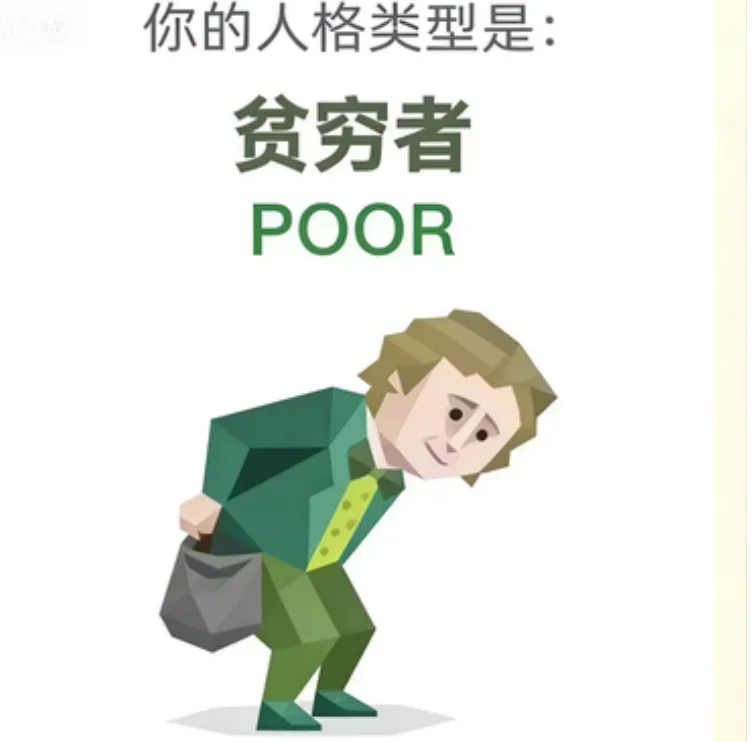
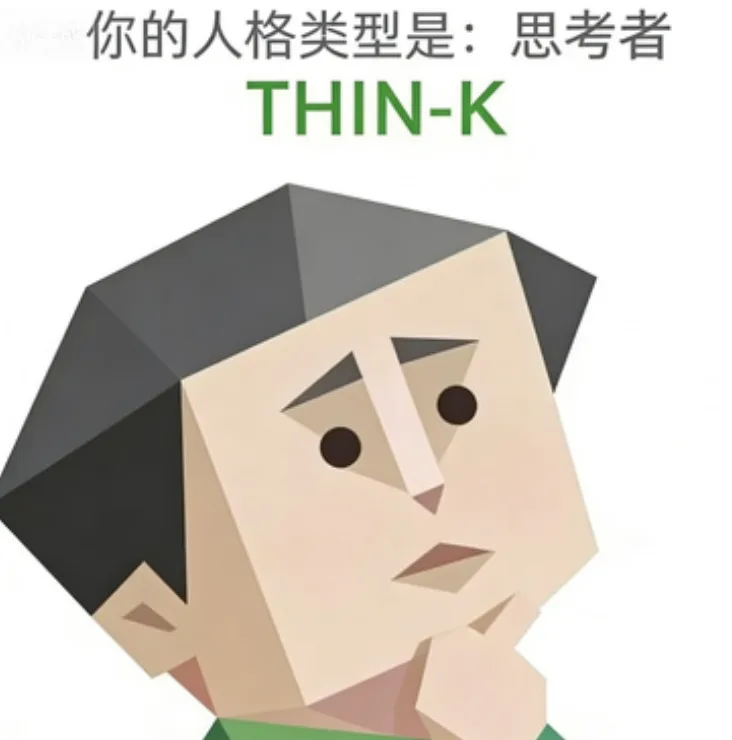
If this result feels close, the most useful nearby pages to compare next are POOR (The Specialist), THIN-K (The Thinker), WOC! (The Whoa Person). They tend to sit nearest in mood, coping style, or overall behavioral energy.
OH-NO usually gets bridged to INFJ / INFP inside an MBTI context. This is not a one-to-one conversion, but a reading aid for understanding where the overlap starts and where the two systems split.
Share Card
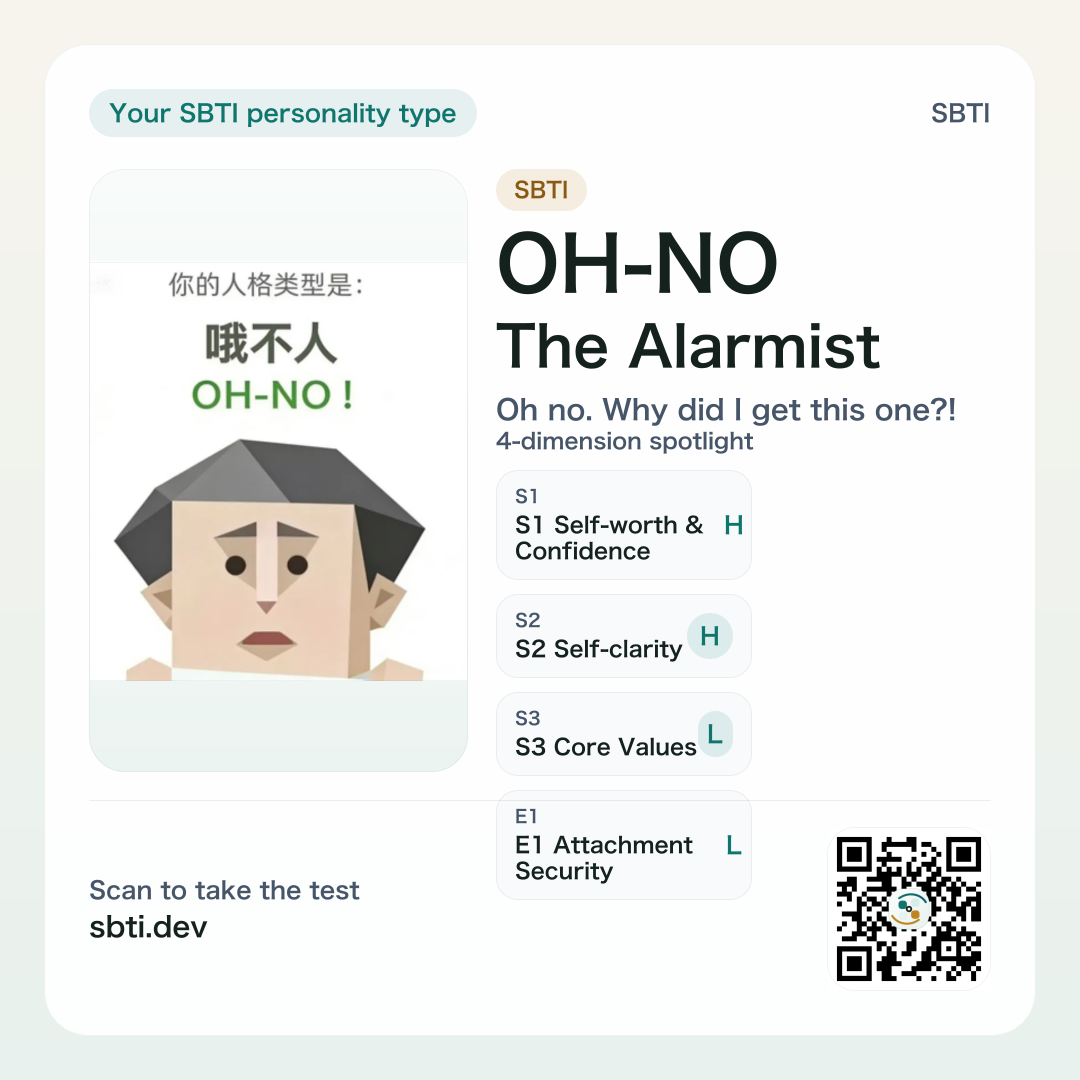
This square card is designed for chat screenshots, group drops, and fast social sharing. It grabs attention faster than a naked link.
Long-press the preview on mobile, or use the save button below.
Challenge Friends
You got OH-NO (The Alarmist). Now drag a friend in, let them test, and compare who turned out more unhinged.
The poster already includes a QR code, so it works well in stories and group chats.
0 people have already sent this challenge to a friend
SBTI rankings
The leaderboard only counts results that users manually confirm and submit from the result page. It does not auto-record every visitor.